

Summer is coming in some parts of the world. But what if you are stuck in some corners of the world where economy is weak and electricity supply is unstable? In this episode, you will learn how to keep your spirit up despite having to face such problems.
The Summer Protocol – Voice of Sayar Henry
[Intro Music]
In the western world where almost every country is already developed and modernized, summer is probably the time people have most fun compared to other seasons. For them, spring and summer means the departure of dark and cold winter days. So they appreciate summer as the beginning of warm temperatures, longer days with more sunlight, and as the arrival of outdoor activities. So summer, to them, is usually associated with vibrant energy. They usually welcome summer as the chance to wear lighter and colorful clothing, shorts, and skimpy outfits. It is also associated with beaches, swimming pools, travel destinations, outdoor concerts, and many other ways of recreation and relaxation.
For high school students in those parts of the world, summer is the time for part-time jobs, summer camps and volunteering. For college students too, it is a time for internships and study abroad programs. For parents who have younger kids, this means increased childcare responsibilities because their children are out of school and need supervision during the day. At the same time, they can see the local businesses selling summer-related products such as swimwear, sunscreen, outdoor furniture, and grilling equipment. Seeing these products high in demand also reminds them of ways to organize parties with their neighbors or trips with family. So, it’s not hard to imagine that people of all ages in those parts of the world have most fun in summer.
But unfortunately, the world is not equal. There are developing countries with very weak economy and poor infrastructure. For example, in Myanmar, summer months are particularly challenging even from the standpoint of electricity alone. With frequent blackouts and unreliable access to electricity, people cannot use fans, air-conditioning, or refrigeration, which can make the heat of summer much more difficult to manage. Sometimes, it can lead to increased risks of heat stroke, dehydration, and other heat-related illnesses too.
Having grown up in this country, I have had my fair share of unpleasant experiences in summer. At this point of my life, my workflow revolves mainly around teaching, learning, and creativity. So I have already set aside some protocols and means I use to keep my workflow uninterrupted, to keep my inspiration alive, and basically to deal with the summer of this country. So in this episode, I’m going to share with you how I manage my environment, body, and mind to keep my productivity least affected by the issues of summer.
Alright, I’m going to divide each of what I have to say into two parts. First, I will tell you what I do and second, I’ll explain the logic behind that action. Okay?
Now let’s dive into how I manage my environment.
Ever since I went through the harsh experiences of summer in 2022 during which I lived my life with extremely limited power and water supply in my household, I had developed a habit of rearranging the furniture in my apartment based on the season.
For example, the positioning of the sofa I use every day to sit or work or watch movies during summer is different from that in the rainy season. This is mainly due to the difference in the intensity of daylight I get from the windows. I’m the kind of guy who enjoys working with a laptop while sitting on a sofa. But I don’t like to have my eyes closely fixed at a wall right in front of me when I work. So there are two possible positions in my apartment that is ideal for me.
The first one is where I put the sofa facing towards the windows. That way, my eyes are not fixed at a close wall and my laptop screen doesn’t have a glare. But in summer, the daylight coming from those windows are too bright especially in the afternoon, so I have a hard time facing that bright light. The problem is if I cover these windows with the curtains, the room gets quite dark. In the rainy season when electricity is more stable, this is not an issue. But in summer, I can’t rely on my indoor lighting system due to frequent blackouts. So I have to move the sofa to a different corner where I can get enough natural light but without causing a significant glare on my laptop’s screen.
Speaking of lighting, I also try to use less of my indoor lighting system in the daytime and rely more on natural light even when there is electricity. There is a psychological reason behind my decision to do that. I had noticed in the past that sudden changes in the lighting affects my mood and my mental energy significantly.
For example, let’s say I close all the windows, cover these with curtains, turn on the lights, and then start working. After a while, I get into the flow state and start to work seriously on something. But suddenly when the power goes off, the lighting intensity in my environment changes drastically. Everything goes dark and now my mind is disturbed, and I unintentionally get out of my flow state just to get up and open the windows, or to slide the curtains open. Afterwards, I find it hard to get back to my work with the previous level of focus and intensity. So, to prevent this from happening and to keep the difference between the lighting with and without the electricity at a minimum, I rely less on electricity for lighting in the afternoons of summer.
Now there is another environmental change that I do according to the season. It’s about where I sleep in the apartment. I usually switch between two modes depending on the season. As soon as summer comes, I’m prepared to sleep in the living room with a mattress and a mosquito net rather than in my usual comfy bed.
This actually serves two purposes. The first one is to mitigate the problem of heat piling up in the bedroom at night; with no electricity and proper air-conditioning, it’s incredibly hard to fall asleep on the bed without breaking a sweat or inviting the little flying enemies. So I tend to sleep in the living room in this season.
The second purpose of sleeping in the living room is to help me get up a little earlier in the morning. But this one is closely related to the next part of what I have planned to share with you. So, before we move on to that, let’s have a break for some advertisements in case you’re listening from the right location. I’ll be back.
[Ad Break]
Alright!
Let’s talk about my second reason for deciding to sleep in the living room during summer.
Earlier, I have already mentioned that doing so helps me to get up a little earlier than usual. The reason I want to get up slightly earlier is so that I can do some exercise in the morning. Normally in other seasons, I prefer to work out in the evenings. But when the summer heat is penetrating my apartment uncontrollably throughout the rest of the day, I don’t feel like doing any exercise in the evening. So, it’s either in the morning or I get no exercise at all. That’s why I prefer to get up earlier in summer. One positive consequence of that is I get a bit more time to work pleasantly after breakfast since the room is less prone to heat before noon.
Speaking of exercise and sleep, I should talk about one of my other bodily habits in summer too. Normally I shower twice a day – one in the morning and another in the evening or at night. But in summer, I shower 3 to 4 times a day. On the surface, it appears that I’m doing it merely to keep my body cool against the heat of summer. But there is also a psychological advantage in showering multiple times a day. For me, quick showers are like mini reset points of my day. Whenever I come out of the bathroom after a shower, I feel fresh and ready to start working again despite the weather or lighting or other external factors. So it makes sense to me that I have quick showers throughout the day to stay energized and motivated.
If you have a chance to do that while working or are lucky enough to work from home, you might want to try that, my friend. Shower does wonder for the mood; and there’s nothing wrong with taking it frequently.
As much as sleep, exercise, and shower are important, there are other essential lifestyle changes that I do in summer. These are common knowledge and there is nothing special or unique about these, but I’m just going mention these anyway.
During summertime, I try to wear mostly cotton based clothing whenever I’m working because it is so comfortable any time of the day. I also stay hydrated throughout the day by keeping drinking water and juices more easily accessible from where I work. And from time to time, I reward myself with some seasonal cold snacks too. Doing so reminds me that these are the rewards that go well only with the hot weather, and that helps me to appreciate the heat or summer in general.
There is also a hidden productivity and psychological benefit in trying to enjoy or embrace some aspects of summer rather than just whining about the heat or the weather. It might sound totally unrelated at first but please bear with me.
You see, our modern lifestyle is heavily dependent on electricity, yeah? Whether we try to work, learn, or entertain ourselves, we need access to electricity. And since it has long become one of the basic needs of our modern lives, experiencing power blackouts can effectively drain our mental energy. But when the power is back on, our moods get lightened up too. Then we lose it again. And then we get it again. And so on. After experiencing it for enough cycles, our little mysterious brain starts to see getting electricity back after a blackout as a reward.
Eventually, it starts to associate access to electricity with happiness hormones. That is why many of us feel like we prefer to do recreational activities such as having snacks or chilling with Netflix whenever electricity is back on, rather than favoring the most important tasks. Essentially, it is like a psychological trap that jeopardizes our judgment and disrupts our sense of priority. So I try to counter this with the aforementioned little rewards that I give to myself during the hours without electricity.
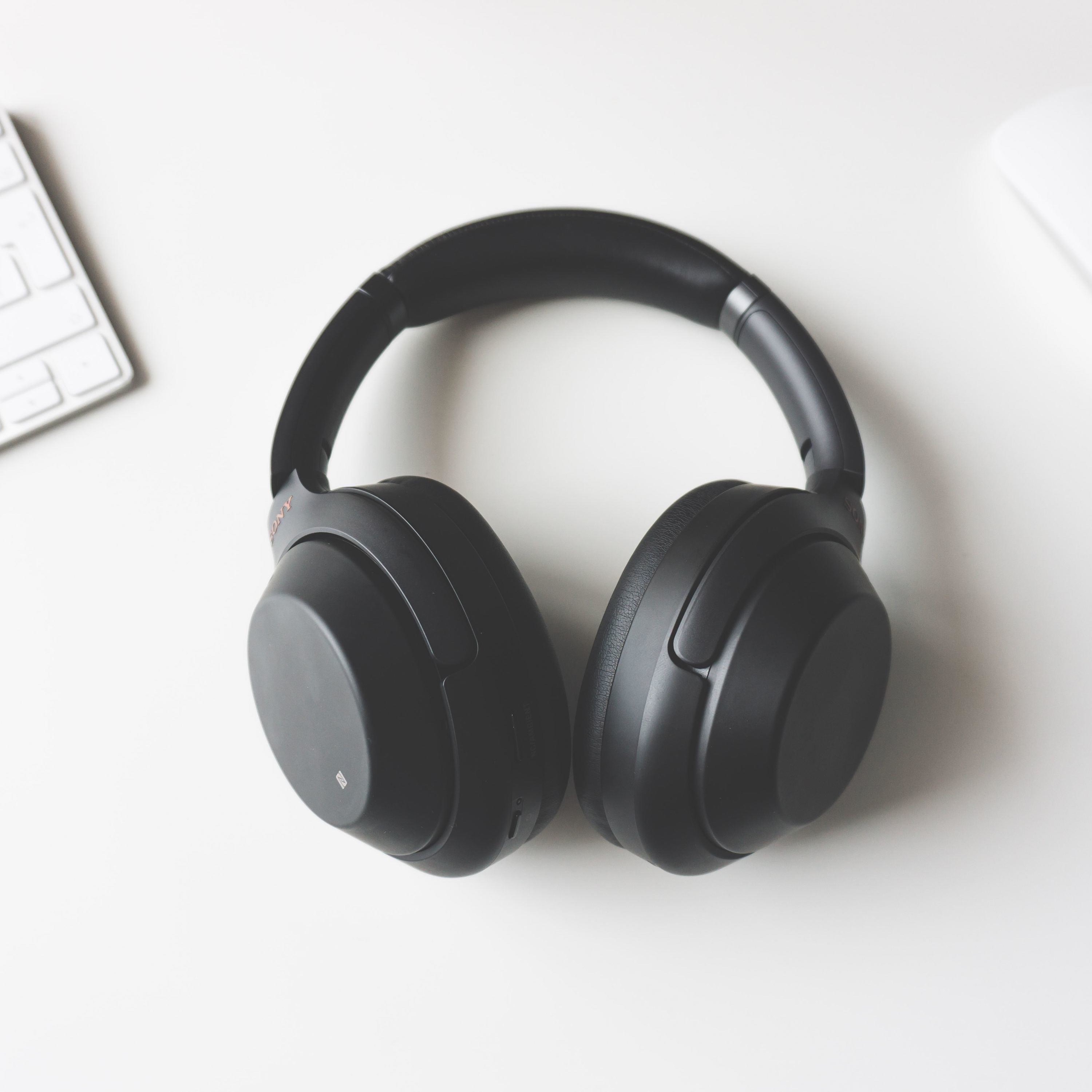
And finally, there is one more mental trick that I apply to myself, which I believe you should give it a try too, whenever there is a power blackout. It’s to take the help of music.
Oh yes, music.
You gotta have some playlists that can lift your spirit up. This should be a list of your trusty favorite songs or tunes that you are used to listening whenever you feel down. Try playing these songs during the blackouts.
Maybe your mood will be better with a lively tune like this one:
[Tune 1: Summer in Colombia]
Or maybe a rock song like this:
[Tune 2: Summer Nights]
Or may be a classical one like this:
[Tune 3: Midsummer Night’s Dream]
Or maybe like the one I’m using for this episode:
[Tune 4: Island Summer Breeze]
It doesn’t matter what kind of music you play. As long as it helps you with your mood, you can use it, okay?
Alright, these are all the tips I wanted share with you in this episode.
I know that to some of you guys who are listening to this podcast, these tips and tricks may not sound new or anything special; and some of these may not even apply to you at all. But regardless, I believe learning that someone is doing something to deal with a problem can instill some fresh thoughts in other people’s mind. And that’s already enough reason for me to create this episode. And who knows, this episode can inspire you to create your own set of summer protocol. Right?
Okay, ladies and gentlemen, boys and girls, this is the end of this episode. Thank you so much for listening to the end and I hope you guys ….
[Power Blackout]
Oh, just now the power goes off.
Umm… okay… I guess I’m gonna start playing some music to lighten up my mood.
So I’m gonna leave some music on and I hope you guys can keep listening to see if this one can help you too, alright?
Enjoy, my friends!
I’ll see you in the next one. Bye-bye!
[Outro Music: Summer of 1984]


 SH Learning Culture
Leave a comment